In the cold desert, colour is never casual. The mountains are brown, grey, silver and sometimes white. The wind moves across open land with a dryness that makes every living thing work harder. Then seabuckthorn appears — bright, orange, sharp and full of life.
For people who have grown up around the Himalayas, seabuckthorn is not just an exotic berry. It is a familiar sign of resilience. It grows where the climate is difficult and reminds us that strength can come in small, vivid forms.
A berry shaped by hardship
Seabuckthorn does not come from soft conditions. The plant is thorny, the harvest is careful and the berries are delicate. Every bottle or concentrate made from seabuckthorn should be seen with respect because behind the colour is labour.
In many Himalayan villages, fruit processing is connected to seasonal income, women’s work and local enterprise. Seabuckthorn fits this story because it is already part of the ecology of the place.
The taste of the mountains
Seabuckthorn has a taste that wakes up the senses. It is tangy, bright and slightly wild. It does not behave like an ordinary sweet fruit drink, and that is its charm. Real ingredients have personality.
When used in coolers, concentrates or blends, seabuckthorn brings freshness and depth. It can become a chilled summer drink or a warm winter beverage depending on how you use it.
How to enjoy it at home
Start simple. Mix a small amount of seabuckthorn concentrate with water and adjust sweetness only if needed. Try it chilled with mint in summer or warm with honey in winter. Let the flavour remain present rather than hiding it.
- Serve chilled with mint and lemon.
- Mix with warm water and honey in colder months.
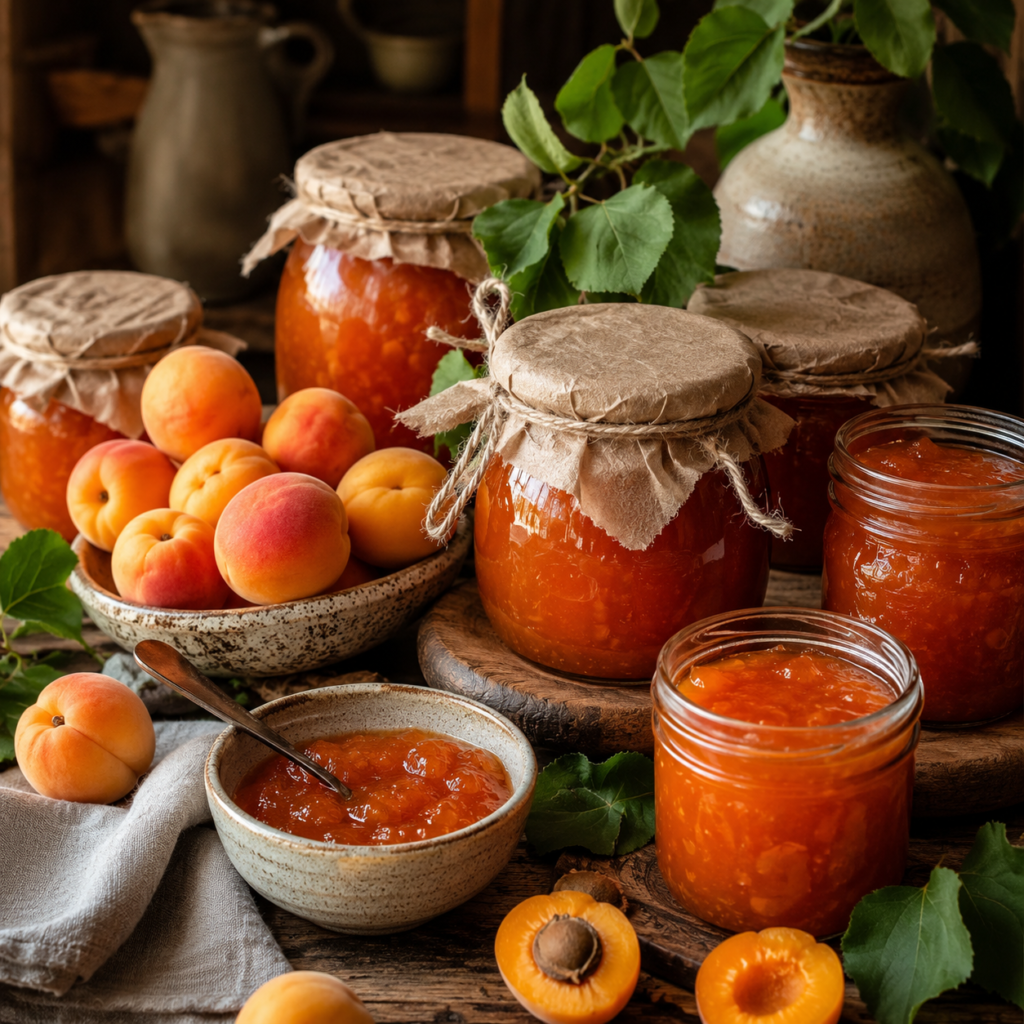
- Blend with apple or apricot for a softer drink.
- Use a small amount in salad dressing.
A small fruit with a larger future
Seabuckthorn shows how local ingredients can build powerful stories. When harvested responsibly and processed carefully, they can create livelihood, preserve regional identity and introduce consumers to flavours beyond the mainstream.
The golden berry of the cold desert does not need to shout. Its colour, taste and origin already speak clearly.